EDITORIAL STANDARDS

The method behind each note.
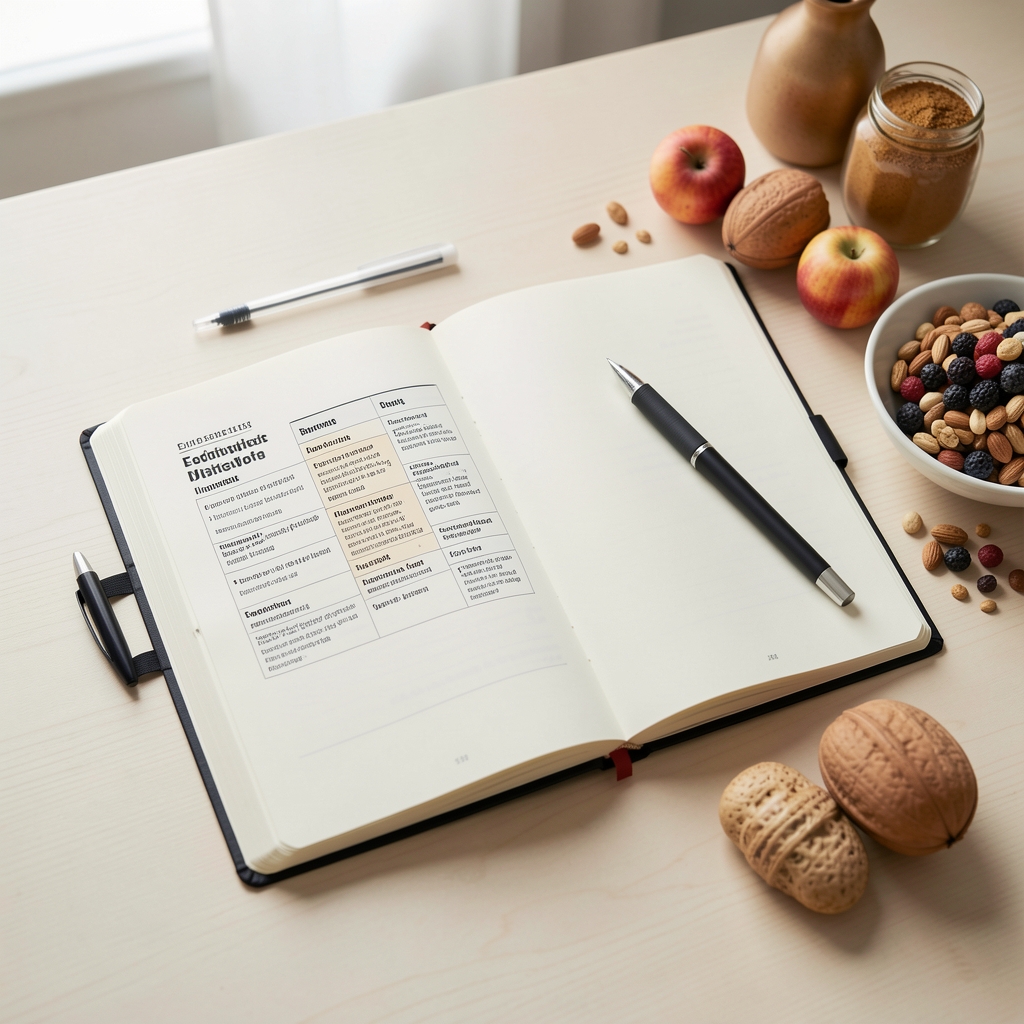
Open editorial method notebook with ingredient labels, pen and whole foods on a pale desk

Source selection

Ralome begins with published nutritional research, public ingredient references, producer labels, and independent food sources. Sources are dated, compared, and recorded before an article is drafted, and a note is kept of where each fact originated so that a claim can be traced back to its source if a reader or a later editor asks where it came from.

The desk gives preference to primary material — the label itself, a manufacturer's published specification, or a peer-reviewed nutritional source — over secondary summaries that may have simplified or altered the original wording. When only secondary material is available, the article will usually say so plainly rather than presenting the information as more settled than it is.

Ingredient reading

Every article distinguishes a named ingredient from a finished product. Serving information, plant part, preparation, and accompanying ingredients are treated as separate details, because a single product name can obscure meaningful differences in composition, concentration, and the presence of additional fillers or carriers.

Where a botanical extract is discussed, the desk tries to note whether the article refers to a whole plant part, a standardised extract, or an isolated compound, since these distinctions materially change what a serving actually contains and how it might compare across different products on a Jakarta shelf.

Context and restraint

Writing places supplements beside whole foods, movement routines, sleep, hydration, and personal circumstances. The editorial voice avoids certainty beyond the source material and keeps the reader's decision-making space intact, rather than steering a reader toward a specific product or a specific course of action.

This restraint is deliberate. A short article cannot account for an individual reader's full circumstances, and the desk considers it more useful to describe an ingredient clearly than to imply a conclusion the source material does not support.

REVIEW PROCESS

How a note reaches publication.

  1. ResearchResearch notes are collected from labels, published nutritional sources, and food references, and every source is dated at the point of collection.
  2. DraftA writer drafts the article in plain English, keeping technical terms to a minimum and explaining any that remain necessary.
  3. ReviewA second editor checks wording, source alignment, and tone, comparing the draft against the original research notes line by line.
  4. PublishThe desk publishes the final record and revisits it when relevant labelling or source information changes materially.

REFERENCE TABLE

What each stage of review records.

StageRecord keptEditorial aim
SourcePublication name and collection dateTraceability of every factual statement
LabelServing amount, plant part, or extract ratio where statedPrecision about what a product actually contains
DraftWriter name and draft dateAccountability for the initial wording
ReviewEditor name and review dateA second, independent check on tone and accuracy
RevisionDate and reason for any later updateA visible record of how an article has changed over time
i

What this methodology does not claim.

This page describes an editorial process, not a scientific evaluation procedure. Ralome Journal does not run its own laboratory studies, does not test products, and does not certify that any ingredient produces a particular outcome. The method above is intended to keep writing accurate, traceable, and clearly sourced — nothing more.

“A methodology page is only useful if it describes what actually happens in the newsroom. Ours is deliberately modest: read carefully, compare sources, and say only what the material supports.”
— Editorial desk, Ralome Journal

Corrections and updates

When a factual error is identified, or when a labelling detail changes for a product referenced in an article, the desk updates the relevant note and records the date of the change at the foot of the article. Minor wording corrections are made without a separate notice; material factual corrections are noted explicitly.