PLANT FILE · 19 FEBRUARY 2026 · 7 MIN READ

Artichoke Extract Men Indonesia and the Meal Pattern
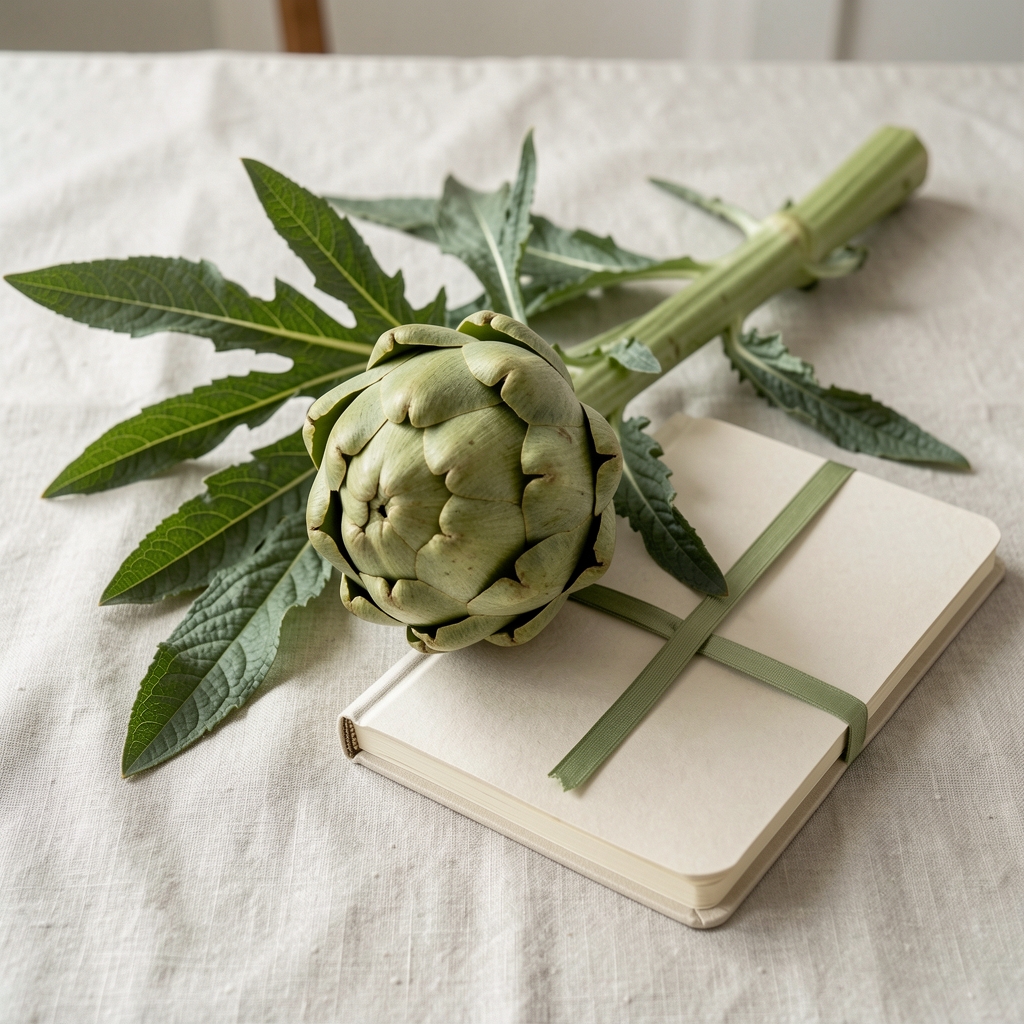
Fresh artichoke, green leaves and ingredient notebook arranged on pale linen

Artichoke extract enters the food supplement conversation through a familiar plant. This article follows the ingredient from whole food reference to label language and daily nutritional habits.

A plant with a visible origin

Artichoke is recognisable before it becomes an extract. That visible origin provides a useful anchor for readers considering a liver support supplement men may find in Indonesian shops. The label remains the central source for quantities and composition, and a familiar plant name should not be mistaken for a guarantee of a specific concentration.

Whole foods create context without turning one ingredient into a complete answer. Vegetables, grains, fish, legumes, fruit, and adequate hydration remain part of the wider pattern that surrounds any single supplement, and none of them should be read as addressing a assessed health condition on their own.

Extract language

Product panels can list plant parts, extraction details, serving quantities, and added ingredients. Recording those points makes a comparison more precise. It also gives readers a useful vocabulary for questions about sourcing and routine when speaking with a pharmacist or a qualified nutrition professional.

The Ralome desk treats packaging as a document. Typography and colour may attract attention, but the information panel carries the details that deserve review — the leaf extract ratio, the standardisation figure if one is stated, and the number of capsules that make up a full daily serving.

Fitting it into a Jakarta meal pattern

Artichoke, whether eaten as a vegetable or taken as an extract, sits most naturally alongside a varied plate. Indonesian meals already include a wide range of vegetables, and a reader interested in this ingredient may find it useful to notice how often artichoke or comparable vegetables already appear in their week before considering an additional supplement.

This observation is descriptive rather than prescriptive. The point is not to suggest that any particular meal pattern is required, but to encourage readers to notice their existing habits before layering a new product on top of them.

READING THE INGREDIENT

Three questions worth asking about any artichoke product.

01

What plant part is used?

Leaf extract, whole plant powder, and concentrated preparations can behave differently on a label, so identifying the plant part is a useful first step.

02

What is the serving size?

The number of capsules or the volume stated per serving determines the actual daily quantity, regardless of how the front panel describes the product.

03

How does it fit your meals?

Considering how often comparable vegetables already appear in your diet gives useful context before adding a new supplement to the routine.

LABEL REFERENCE

Artichoke extract label terms explained.

Label termWhat it usually indicatesWhy it is worth checking
Leaf extractExtract derived specifically from the artichoke leafDifferent plant parts can carry different concentrations
Standardised extractA stated percentage of a named compound groupEnables a more direct comparison between brands
Serving sizeCapsules or millilitres that make up one recommended doseDetermines the actual daily quantity consumed
Combination formulaArtichoke paired with other botanicals in one productRelevant if you are already using a related ingredient separately
i

A note on plant-based ingredients.

Being derived from a familiar vegetable does not automatically make a product's effect predictable or uniform across users. This article describes how artichoke extract is typically labelled and discussed; it does not claim a specific outcome. Readers with existing health considerations are encouraged to speak with a qualified health or nutrition professional before adding any new supplement to their routine.

“I hadn't realised how often artichoke already showed up in my meals until I started paying attention. That made the label on the supplement easier to put into perspective.”
— Reader note, shared with the Ralome editorial desk

A short reading checklist

  1. Read the front panel for the plant name and preparation type.
  2. Turn to the information panel for exact serving figures.
  3. Compare the figures against a similar product if you are choosing between options.
  4. Record your own observations over a few weeks rather than judging after a single use.

SHORT ANSWERS

Common questions about this ingredient.

Is artichoke extract the same as eating the vegetable?

Not exactly. An extract is typically concentrated and standardised in ways that differ from eating the whole vegetable, so the two should not be treated as interchangeable in quantity.

Does this article suggest a specific serving amount?

No. It describes how to read a label and compare products; the appropriate serving for any individual is a matter for a product's own directions and, where relevant, professional guidance.

Can artichoke extract replace vegetables in a diet?

The editorial position at Ralome Journal is that a supplement complements rather than replaces a varied diet, and whole vegetables remain part of the wider nutritional pattern.